
The projects below span work undertaken since 2000 and include significant commissions delivered both through Enframe and earlier. Each reflects the depth of experience and continuity of approach that underpin Enframe’s current practice.
A selection of projects
-

International Market Access Strategy
Advising an international government agency on how to align its construction and manufacturing sectors with UK regulation, market expectations, and design standards.
The project involves developing a strategic framework to connect overseas innovation with UK developers, Tier 1 contractors, and architectural practices, identifying opportunities for collaboration, compliance, and market growth.
Through structured analysis and stakeholder engagement, the work aims to strengthen international trade relationships and open new pathways for sustainable building technologies to enter the UK market.
-

UK–US Trade Mission, New York
Member of the UK government and Architects Registration Board (ARB) delegation to New York, focused on strengthening professional and regulatory collaboration between the UK and United States.
The mission explored opportunities for mutual recognition of architectural qualifications, knowledge exchange, and alignment of professional standards between the two nations.
Through meetings with senior US regulators, industry leaders, and design institutions, the delegation helped lay the groundwork for future international agreements supporting the global mobility of UK architects and the export of British expertise in building safety and design regulation.
-

Enframe.Substack – Ideas, Insight and Reform
Launched as a natural extension of our Building a Safer Future White Paper, Enframe.Substack shares ongoing commentary, analysis, and policy insight on the Building Safety Act, the Grenfell Tower Inquiry, and the wider reform of the UK construction industry.
It provides a space to explore emerging ideas, from professional competence and regulatory alignment to innovation and practice resilience, helping professionals stay informed and engaged as the sector evolves.
The articles aim to provoke discussion, share learning, and build collective understanding of how regulation can lead to better, safer design.
-

White Paper: Building a Safer Future
The Building a Safer Future White Paper set out Enframe’s early thinking on how the UK construction industry could respond to the lessons of the Grenfell Tower Inquiry and the implementation of the Building Safety Act.
Submitted to the Ministry of Housing and Communities and Local Government (formerly DLUHC), it proposed a framework for improving competence, transparency, and accountability across the built environment.
The paper became the foundation for our subsequent Substack articles, exploring how regulation, design, and digital transformation can work together to rebuild public trust in the construction sector.
-
Building Safety Wiki
Sponsored by Enframe Consulting in partnership with Liz Male Consulting, the Building Safety Wiki was created to make complex legislation, particularly the Building Safety Act 2022, clear, accessible, and actionable for professionals across the built environment.
The platform brings together guidance, expert commentary, and practical insights in one place, helping architects, engineers, and clients navigate new duties, gateways, and competence requirements with confidence.
Our goal was to create a collaborative, open resource that strengthens understanding, improves compliance, and supports cultural change across the construction industry.
-

EU Exit
Working with the Architects Registration Board (ARB) and government departments to map post-Brexit professional recognition pathways for UK architects.
The outcome was a series of international agreements and Memoranda of Understanding with Australia, New Zealand, Canada, and the United States, restoring mutual recognition and supporting global mobility for UK-registered architects.
This work helped re-establish the UK’s position in international professional standards following EU withdrawal.
-
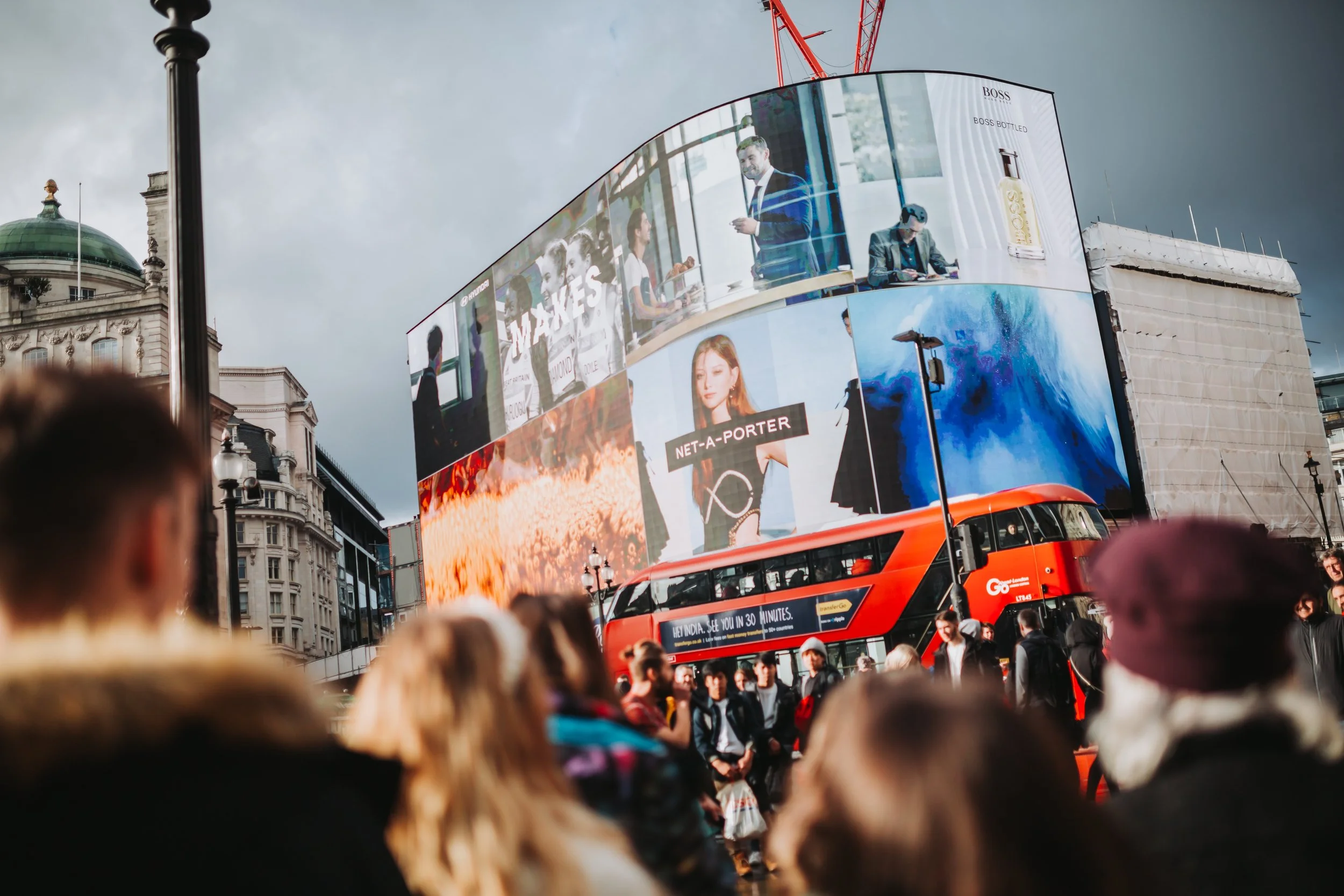
Piccadilly Lights, W1
100 million people look up at the iconic screens as they pass through Piccadilly Circus each year. However, few notice the restoration and new development that sits behind, of flexible workspaces, retail, residential, and roof terraces, known as Lucent W1, by LandSec and Fletcher Priest Architects.
A ‘Design to Delivery’ methodology was used, helping to bridge the known gap between RIBA Stages 4 and 5.
This methodology assesses design information, procurement, and delivery to reduce financial and operational risk, creating processes that can be repeated across projects.
-
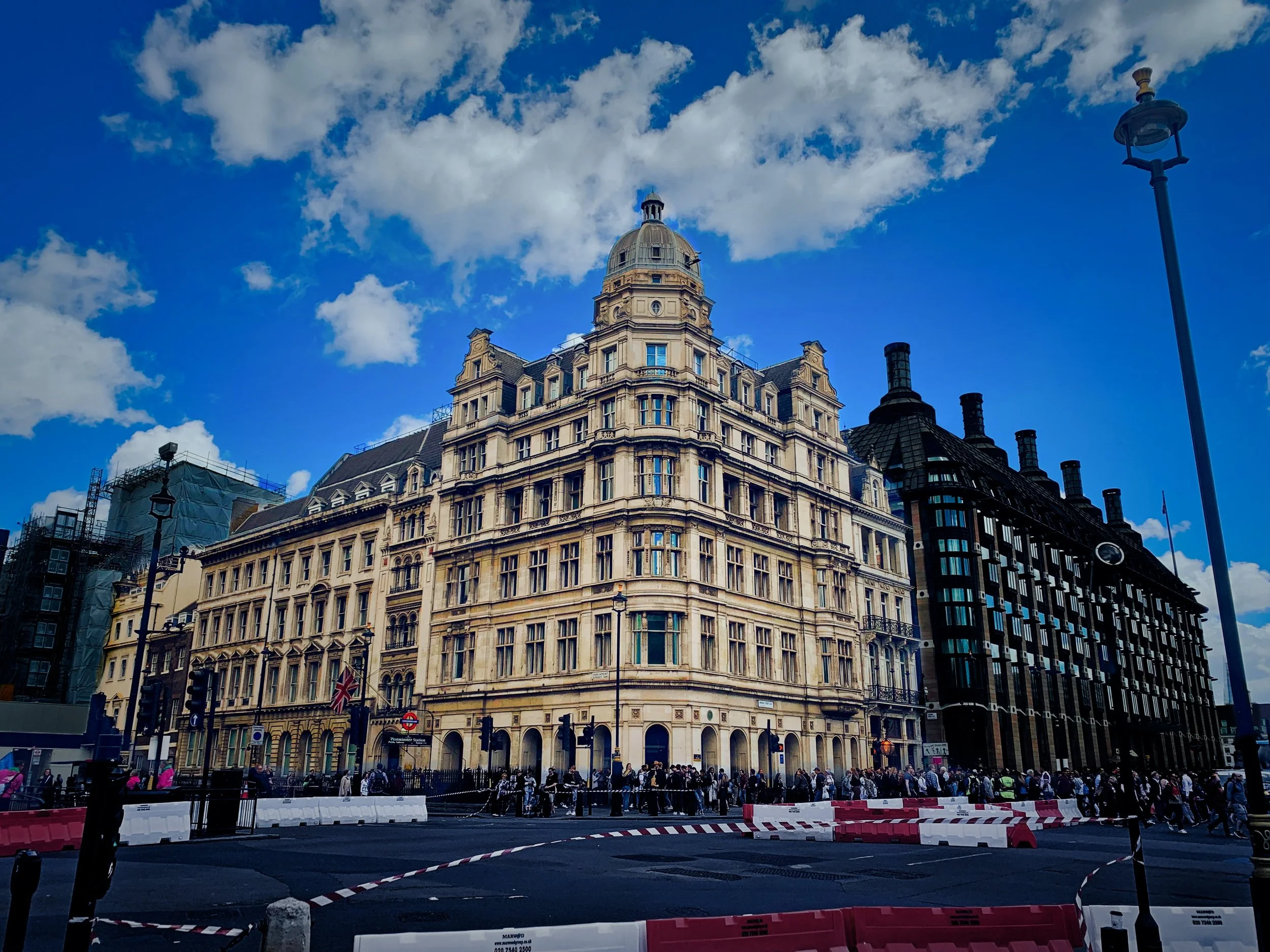
Northern Estate Programme - Houses of Parliament
The Parliamentary Estate extends beyond the Palace of Westminster and covers a number of buildings north of Bridge Street from Portcullis House opened in 2001, to the Grade I listed Norman Shaw North, the original New Scotland Yard.
Derby Gate has now been extensively refurbished to provide modern office accommodation including a range of offices, committee rooms, meeting rooms and service areas.
A ‘Design to Delivery’ methodology was used, helping to bridge the known gap between RIBA Stages 4 and 5.
This methodology assesses design information, procurement, and delivery to reduce financial and operational risk, creating processes that can be repeated across projects.
-
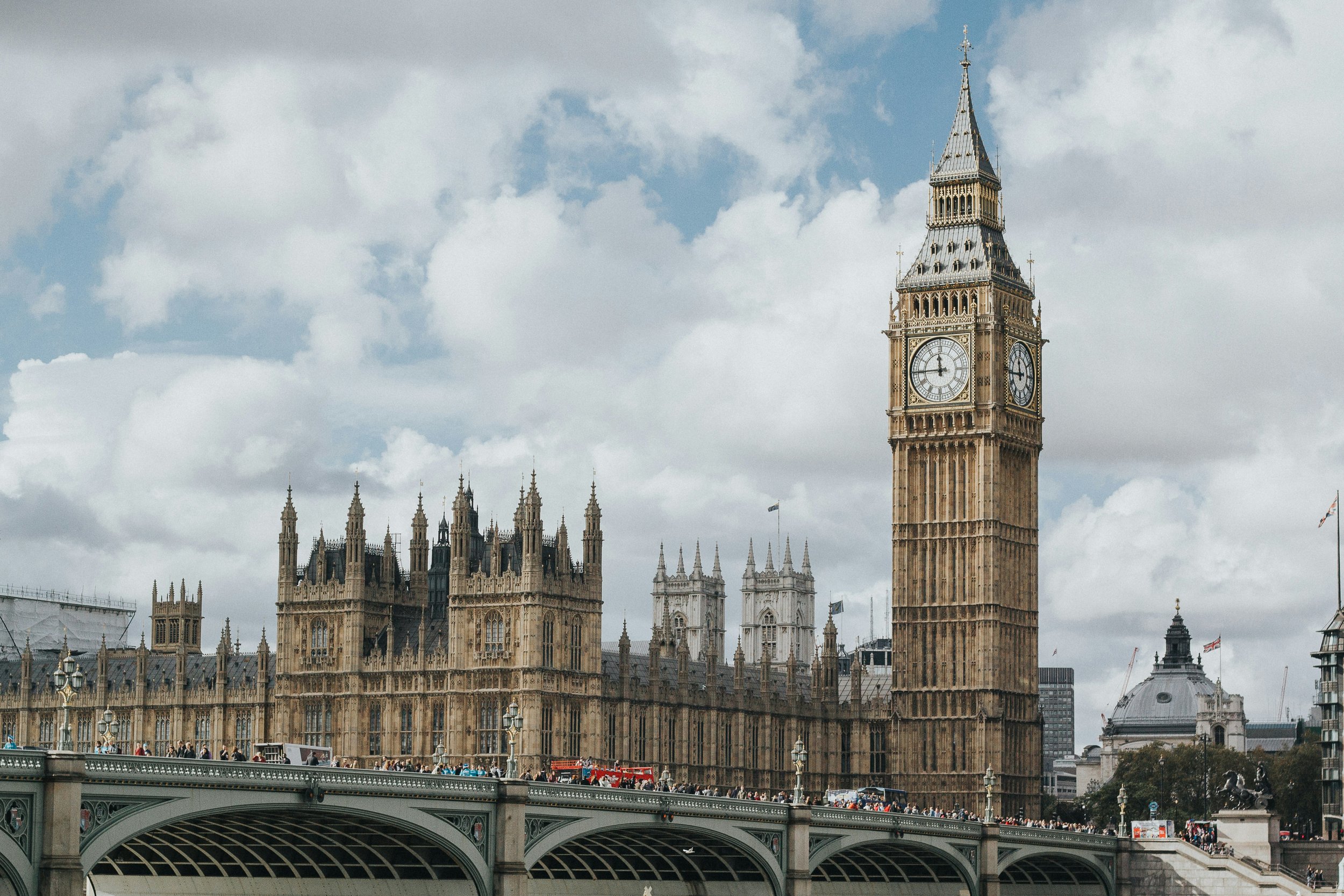
Houses of Parliament
The Northern Estate Programme comprised a series of essential works to preserve and modernise the Parliamentary Estate.
Led design management and stakeholder management of project teams and Parliament’s in-house maintenance operations.
Focused on resolving complex interface issues, ensuring continuity of function within an occupied historic environment, and delivering upgrades to critical fire protection systems.
This work formed part of the broader long-term effort to safeguard and sustain the nation’s most significant civic buildings.
-
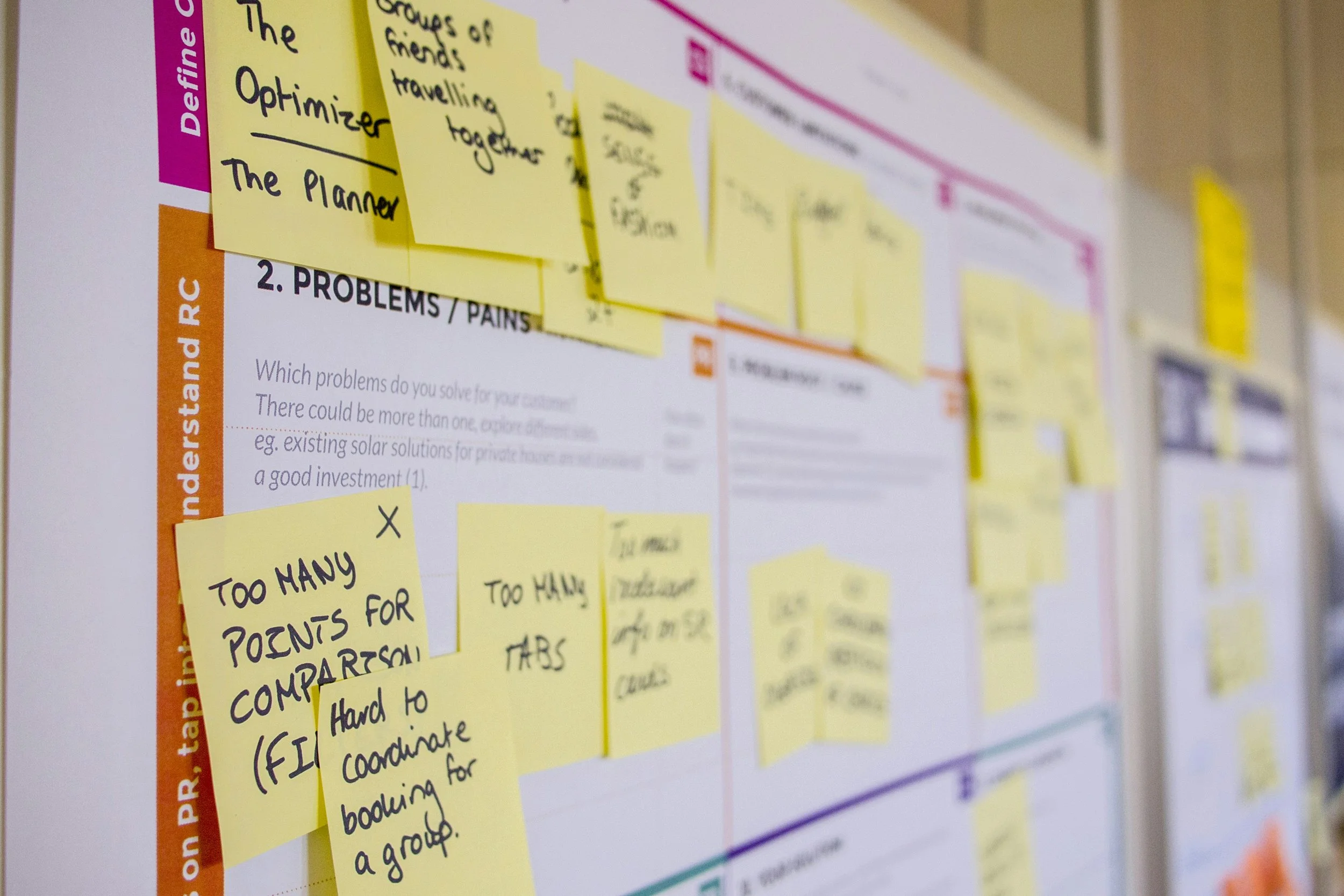
Designing the Promise
Developed and implemented the Designing the Promise methodology to align RIBA Stages 4 and 5, bridging the gap between design intent and on-site delivery.
The framework improved design coordination, risk management, and cost predictability, establishing a respected, repeatable process for project assurance.
Adopted across multiple regional teams, it became a core part of a Tier One contractor’s approach to reducing project and financial risk.
-

Business Transformation
Led the transformation of a 28-person regional design business into a 150-strong multidisciplinary team within three years.
Using a structured “1% improvement” model, the process identified over 100 operational inefficiencies, prioritised solutions, and embedded a culture of continuous improvement.
This programme reshaped team performance, improved delivery quality, and created a scalable business model still referenced within the organisation today.
-
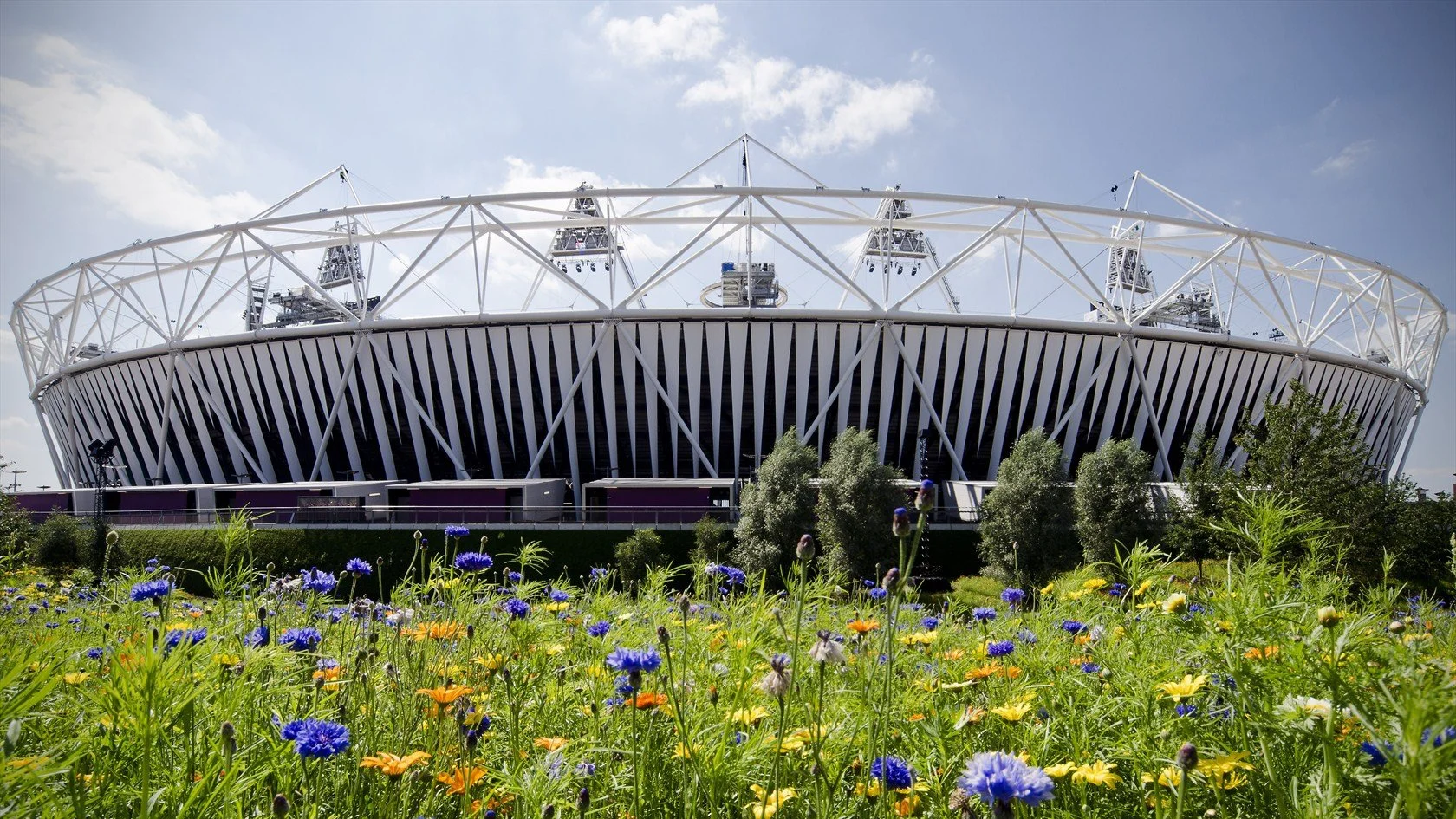
National Protective Security Collaboration – London 2012
Worked with the UK’s national security authorities to integrate protective design measures into the planning and delivery of Olympic venues and infrastructure.
As part of the London Organising Committee of the Olympic Games (LOCOG), the role focused on ensuring that buildings and temporary structures met stringent resilience and protective security expectations, balancing safety, functionality, and design quality at an unprecedented scale.
This collaboration helped establish robust security design principles that continue to influence major public projects across the UK today.
-

Drinking Water Inspectorate – Temporary Infrastructure Framework
Advised the UK’s Drinking Water Inspectorate (DWI) on improving regulatory oversight and compliance within the temporary infrastructure sector.
The work identified significant gaps between legislative expectations and on-the-ground practice at large-scale events, where temporary water systems often fell outside conventional monitoring regimes.
Engaging with regulators, suppliers, and event operators, shaped a long-term strategy to modernise standards, strengthen water safety, and align temporary installations with national health legislation.
-
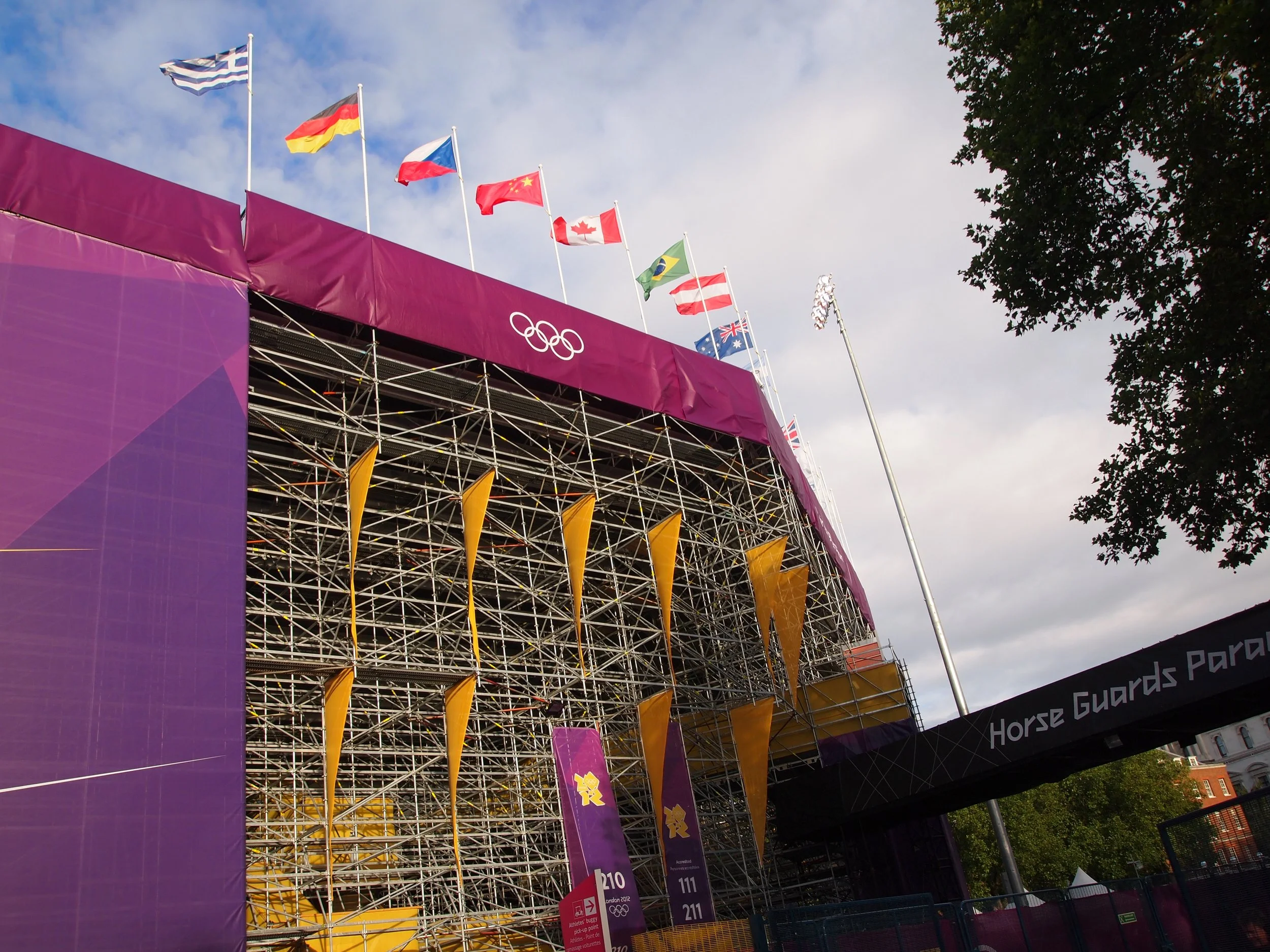
London 2012 - Olympic and Paralympic Games
The London Organising Committee of the Olympic and Paralympic Games (LOCOG) was responsible for delivering the design, planning, and operation of more than 130 competition and non-competition venues for the 2012 Games. Working as part of the senior leadership team, leading a multidisciplinary group of over 200 architects and engineers, spanning civil, structural, and MEP disciplines, responsible for the full design and delivery of the Olympic and Paralympic venue infrastructure.
The scope encompassed permanent and temporary structures including buildings, tents, cabins, bridges, gantries, seating systems, and site-wide utilities. The £750 million programme demanded full coverage of all stages of the RIBA Plan of Work, from strategic definition through to post-Games removal and reinstatement.
Collaboration was central to the project’s success. Led coordination of Government departments, local authorities, regulators, suppliers, and contractors to ensure every venue met the highest standards of safety, accessibility, and performance.
During the Games, managed on-site design support to address live operational issues, safeguarding both event delivery and the UK’s global reputation for excellence.
-
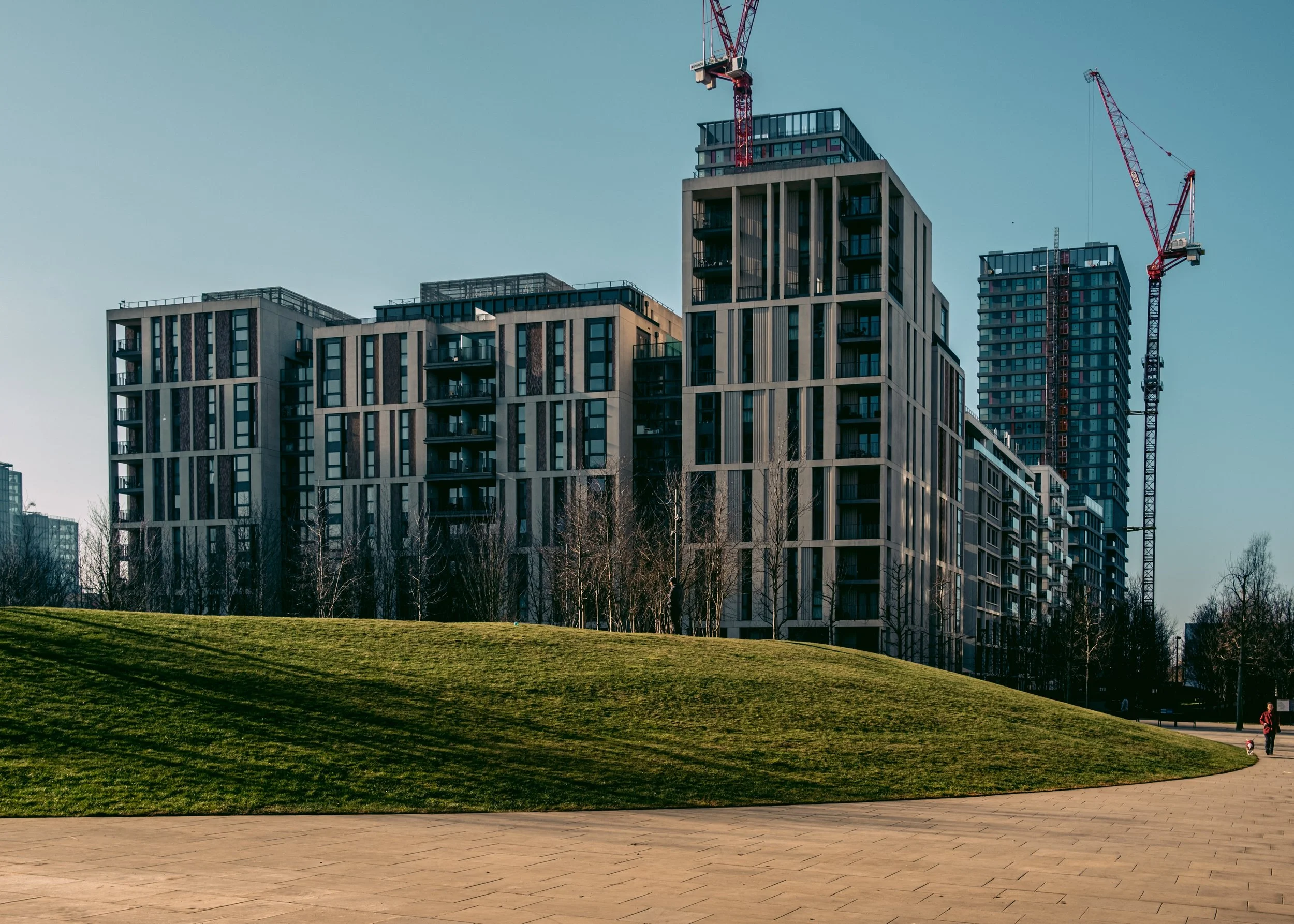
Athletes Village, London 2012
Lendlease delivered accommodation for 17,000 athletes and officials during the London 2012 Games, later transforming the site into a new East London neighbourhood comprising 2,818 homes supported by schools, healthcare facilities and community infrastructure.
Strong experienced client-side design coordination and senior design management ensured that the two architectural teams responsible for different plots met Lendlease’s design standards, maintained programme milestones, and delivered fully compliant schemes aligned with the wider masterplan vision.
-
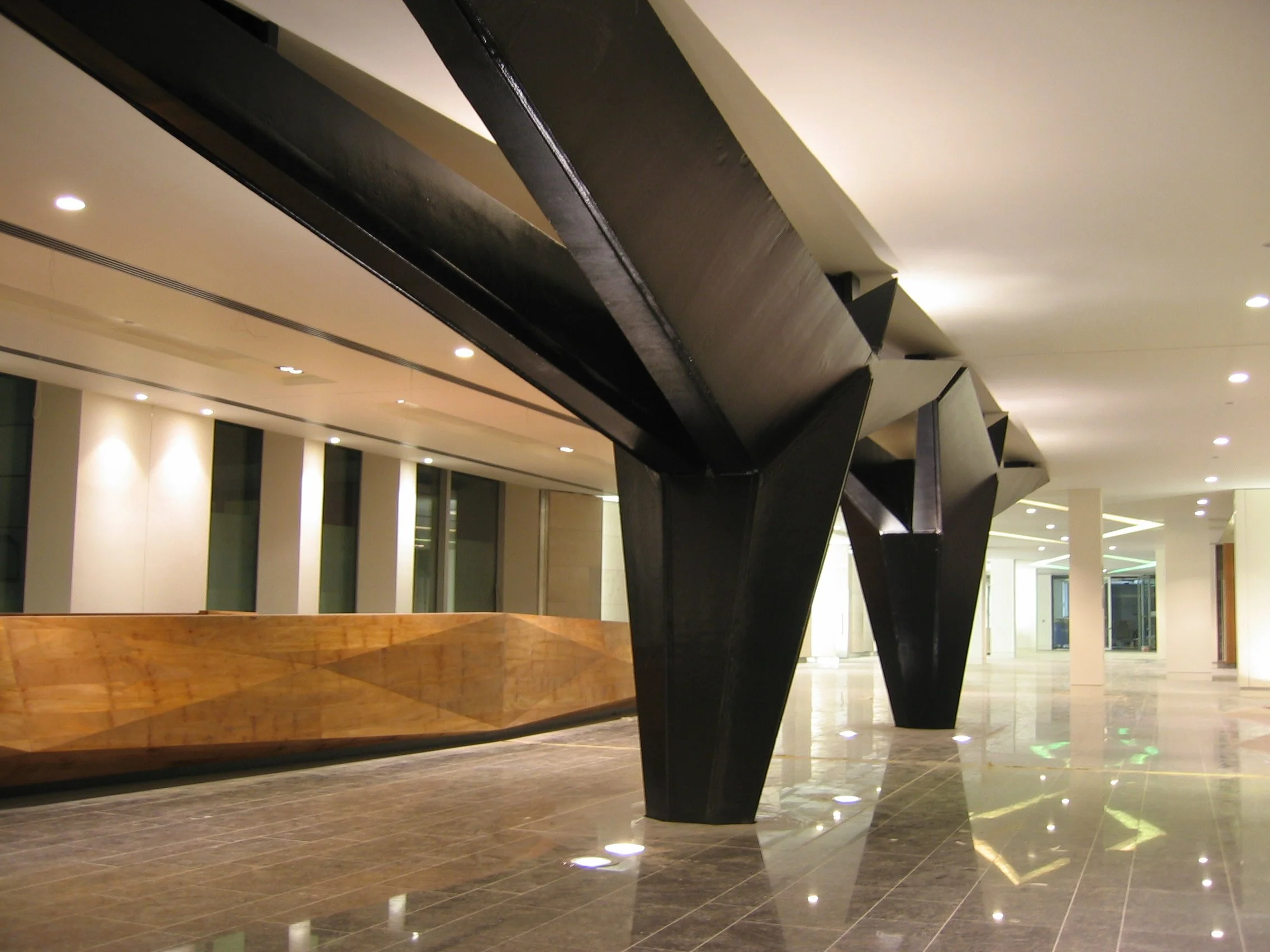
55 Baker Street, London
Rather than being demolished, this 1950s office building was completely remodelled with a modulating glass facade allowing the building to engage with the street.
Spanning between three blocks is a dynamic modulating facade, behind which sits the new reception space, originally interrupted by 12 concrete columns and now replaced by two enormous solid steel transfer structures working as one.
Experience from major, large-scale government and commercial projects informed the technical strategy and delivery approach adopted, enabling the practice to secure and deliver its first complex project of this scale — a technically demanding £180m redevelopment requiring significant structural coordination, façade integration, and rigorous design management across all stages.
-
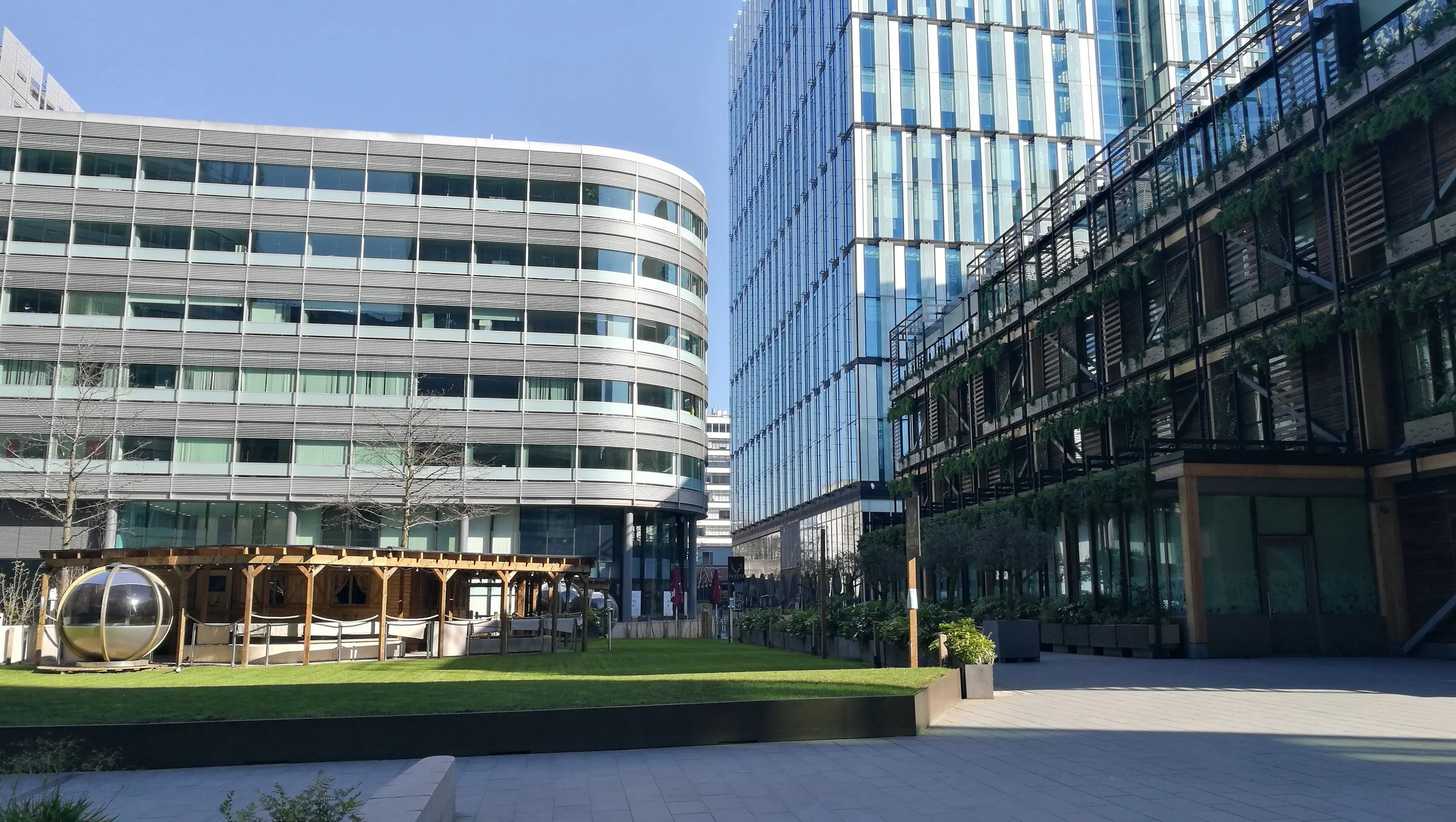
3 & 4 Hardman Square, Spinningfields, Manchester
Forming part of the Spinningfields masterplan to regenerate a 12-hectare site in central Manchester. Opened in 2007.
Programme management of the Foster + Partners designed glass and steel facade of 3 and 4 Hardman Square. Developing and implementing an innovative ‘kit of parts’ system that brought efficiency and standardisation to this complex design and build.
-
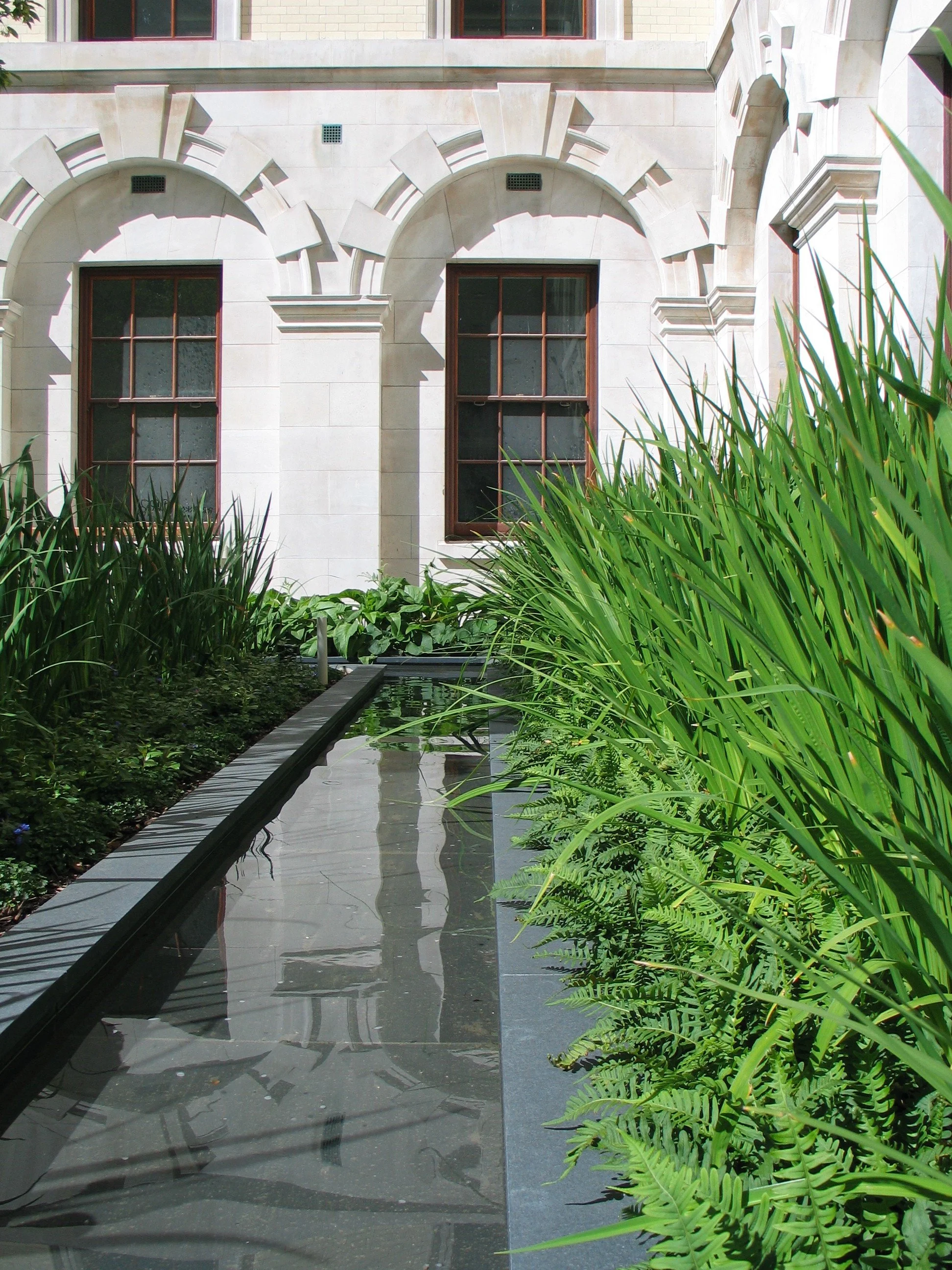
H M Treasury, H M Customs & Revenue, Whitehall
H M Treasury, Grade II listed, sits on the edge of Parliament Square and Horse Guards Parade. Built in 1917 it had come to the end of its natural life when the design and refurbishment was started in 2000.
Led on the relationship management between F+P team, consultants, client team, and contractor. Responsible for the coordination of the MEP and structure, setting a new environmental standard in Whitehall. Heating, ventilation, lighting and communication systems were all modernised.
Two unusable courtyards were converted into tranquil gardens for the staff, winning awards.
The building combines a sense of history with a contemporary working environment.